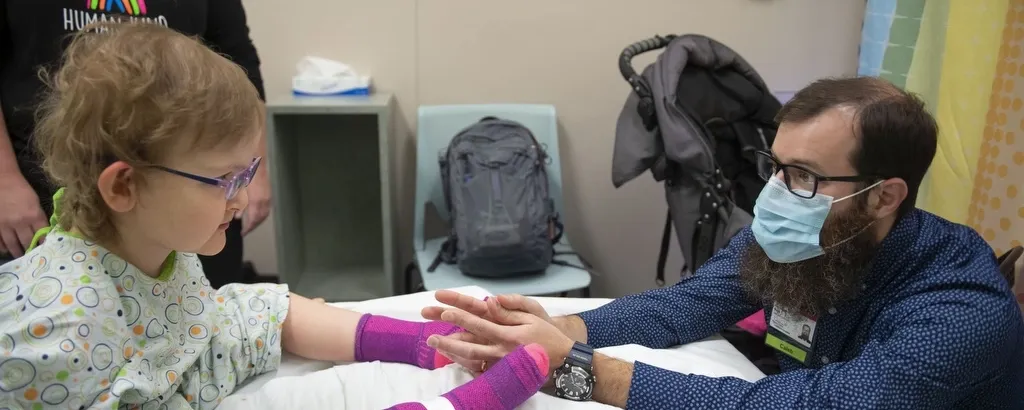
The nerves in our hands and feet allow us to sense touch, pressure, temperature, vibration and pain. If anything interferes with nerve function, we can have trouble with daily tasks like holding objects and even walking.
Some people are at higher risk for nerve damage in their extremities. Why? New research from Michigan State University reveals that race/ethnicity and food insecurity are two key factors associated with peripheral neuropathy.
“Peripheral neuropathy is nerve damage typically located in the hands and feet,” said Evan Reynolds, assistant professor at the Department of Epidemiology and Biostatistics in the MSU College of Human Medicine. “It’s a loss of nerve function that causes substantial morbidity and decreases quality of life.
“Two of the most common ways this can affect people are debilitating pain and increased risk of falls. Our quantitative study found that Hispanic people have 32% greater odds of neuropathy compared to white people, even after accounting for other common risk factors such as diabetes severity and obesity. In contrast, non-Hispanic Black people did not have an increased odds of neuropathy compared to white people, after accounting for the presence of known risk factors.”
The study, “Racial and Ethnic Differences in Peripheral Neuropathy Risk Factors Among United States Adults,” recently was published in the peer-reviewed journal Neurology.
In addition to racial and ethnic factors, Reynolds and his team wanted to know if social determinants of health — like income and access to health care — affect rates of peripheral neuropathy. The data shows they do.
“We were the first study to find that among Hispanic participants, having food insecurity resulted in 48% higher odds of having neuropathy,” Reynolds said.
The study data also confirms that lack of health insurance increases the odds of neuropathy by 56%, as identified in previous studies.
Nearly 20 million people in the U.S. are known to suffer from peripheral neuropathy, and this number could be higher because the condition can easily go undiagnosed.
“One of the primary drivers of peripheral neuropathy is diabetes,” Reynolds said. “But our study confirmed that obesity also increases the risk of nerve damage. Ultimately, people with peripheral neuropathy have a worse quality of life.”
Reynolds’ work is supported by the National Institutes of Health’s National Institute of Diabetes and Digestive and Kidney Diseases.

Get the latest updates on our programs and initiatives.